The founding team brings together expertise in cellular biology, translational medicine, nutrition science, and microbiology.
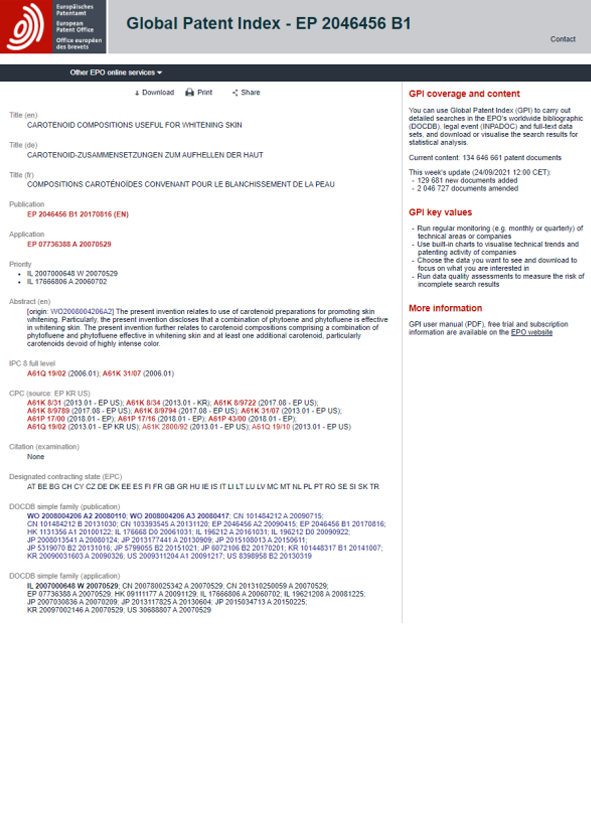
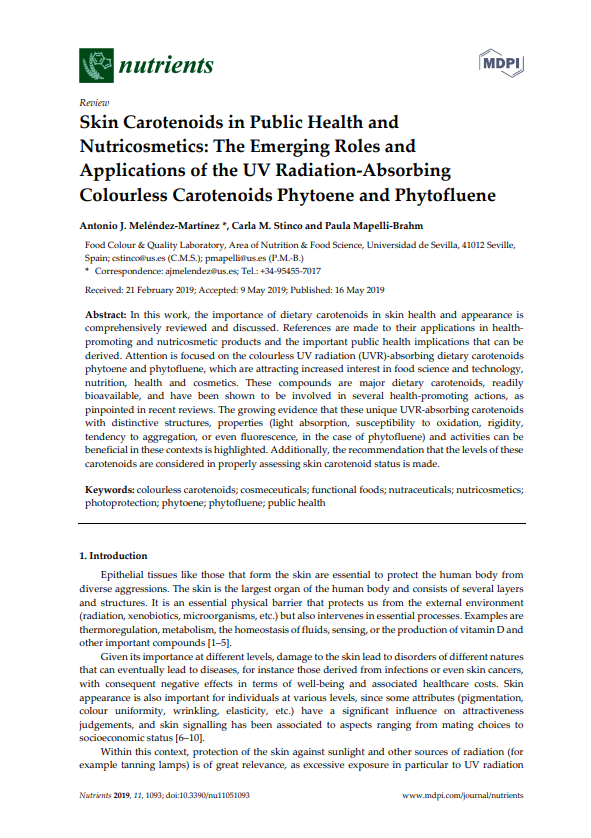
Abstract: In this work, the importance of dietary carotenoids in skin health and appearance is comprehensively reviewed and discussed. References are made to their applications in health-promoting and nutricosmetic products and the important public health implications that can be derived. Attention is focused on the colourless UV radiation (UVR)- absorbing dietary carotenoids phytoene and phytofluene, which are attracting increased interest in food science and technology, nutrition, health and cosmetics. These compounds are major dietary carotenoids, readily bioavailable, and have been shown to be involved in several health-promoting actions, as pinpointed in recent reviews. The growing evidence that these unique UVR-absorbing carotenoids with distinctive structures, properties (light absorption, susceptibility to oxidation, rigidity, tendency to aggregation, or even fluorescence, in the case of phytofluene) and activities can be beneficial in these contexts is highlighted. Additionally, the recommendation that the levels of these carotenoids are considered in properly assessing skin carotenoid status is made.
Read more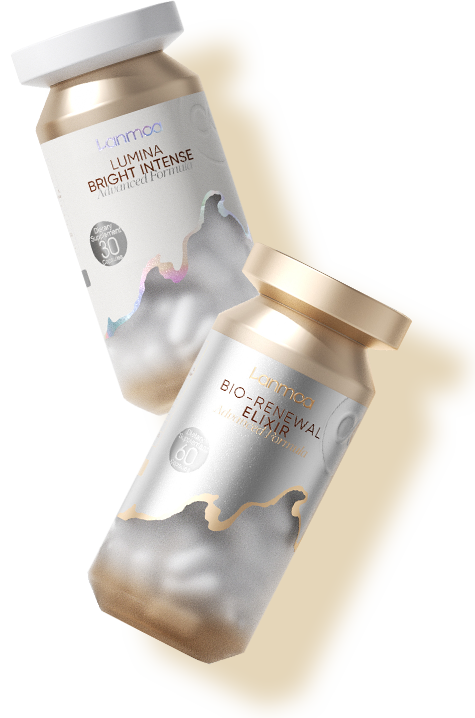
Abstract: This study investigated the endothelium-dependent vasorelaxant effects of the essential oil of Ocimum gratissi-mum (EOOG) in aortas and mesenteric vascular beds isolated from rats. EOOG (3–300 µg/mL) relaxed the tonic contrac-tions induced by phenylephrine (0.1 µmol/L) in isolated aortas in a concentration-dependent manner in both endothelium-containing and endothelium-denuded preparations. This effect was partially reversed by L-NAME (100 µmol/L) but not by indomethacin (10 µmol/L) or TEA (5 mmol/L). In mesenteric vascular beds, bolus injections of EOOG (30, 50, 100, and 300 ng) decreased the perfusion pressure induced by noradrenaline (6 µmol/L) in endothelium-intact preparations but not in those treated with deoxycholate. L-NAME (300 µmol/L) but not TEA (1 mmol/L) or indomethacin (3 µmol/L) significantly reduced the vasodilatory response to EOOG at all of the doses tested. Our data showed that EOOG exerts a dose-dependent vasodilatory response in the resistance blood vessels of rat mesenteric vascular beds and in the capacitance blood vessel, the rat aorta. This action is completely dependent on endothelial nitric oxide (NO) release in the mesenteric vascular beds but only partially dependent on NO in the aorta. These novel effects of EOOG highlight interesting differences between resistance and capacitance blood vessels.
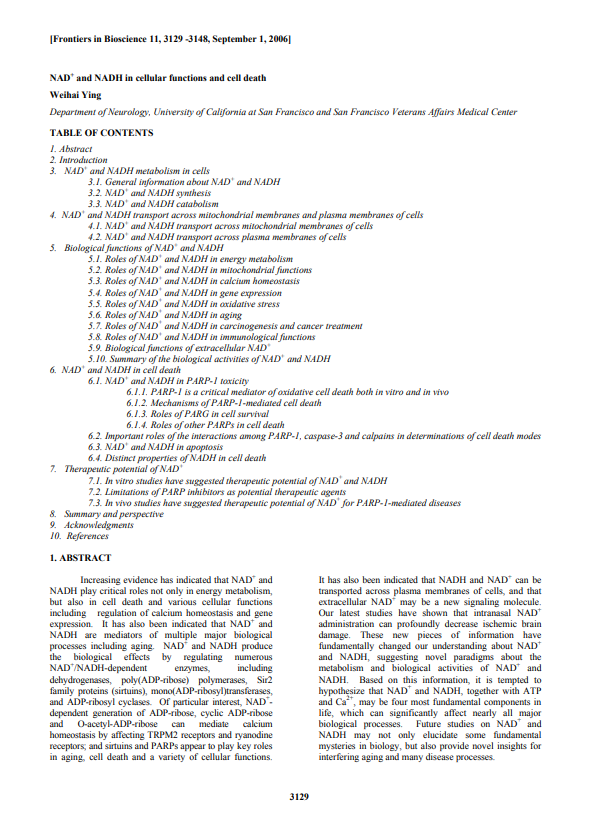
Read moreAbstract: Increasing evidence has indicated that NAD+ and NADH play critical roles not only in energy metabolism, but also in cell death and various cellular functions including regulation of calcium homeostasis and gene expression. It has also been indicated that NAD+ and NADH are mediators of multiple major biological processes including aging. NAD+ and NADH produce the biological effects by regulating numerous NAD+/NADH-dependent enzymes, including dehydrogenases, poly(ADP-ribose) polymerases, Sir2 family proteins (sirtuins), mono(ADP-ribosyl)transferases, and ADP-ribosyl cyclases. Of particular interest, NAD+ dependent generation of ADP-ribose, cyclic ADP-ribose and O-acetyl-ADP-ribose can mediate calcium homeostasis by affecting TRPM2 receptors and ryanodine receptors; and sirtuins and PARPs appear to play key roles in aging, cell death and a variety of cellular functions.
Read moreUVA irradiation induced ROS-mediated photo damage to the human skin leading to coarseness, wrinkling, pigmentation, and cutaneous malignancies. We investigated the dermatoprotective efficacies of submicromolar concentrations of ergothioneine (EGT, 0.125-0.5 μM), which occurs naturally as a sulfur containing amino acid, in the mechanisms in human skin fibroblast (HSF) cells. UVA-induced AP-1 (c-Fos and c-Jun) translocation was found to be inhibited by EGT treatments with the parallel inhibition of the collagenolytic matrix metalloproteinase- (MMP-) 1 activation and type I procollagen degradation. Moreover, EGT mitigated UVA-induced ROS generation. An increase in the amount of antioxidant genes (HO-1, NQO-1, and γ-GCLC) from EGT and were associated with upregulated Nrf2 expressions in a dose-dependent or time-dependent manner.
Read moreSenescent stromal cells support the development of prostate cancer and are considered potential therapeutic targets. This research evaluated the regulatory effects of ginsenoside Rg3 on the senescence of prostatic stromal cells pre-incubated in medium supplemented with 0.5% fetal bovine serum. The results revealed that ginsenoside Rg3 decreased the number of stromal cells positively stained with a senescent cell marker (senescence-associated β-galactosidase). Ginsenoside Rg3 also increased the viability of stromal cells and promoted cell cycle transition from G0/G1 to S phase, as well as inhibited the carcinoma-associated fibroblast-like phenotype in prostate stromal cells, through the up-regulation of smooth muscle cell markers SM22 and smooth muscle myosin heavy chain.
Read more
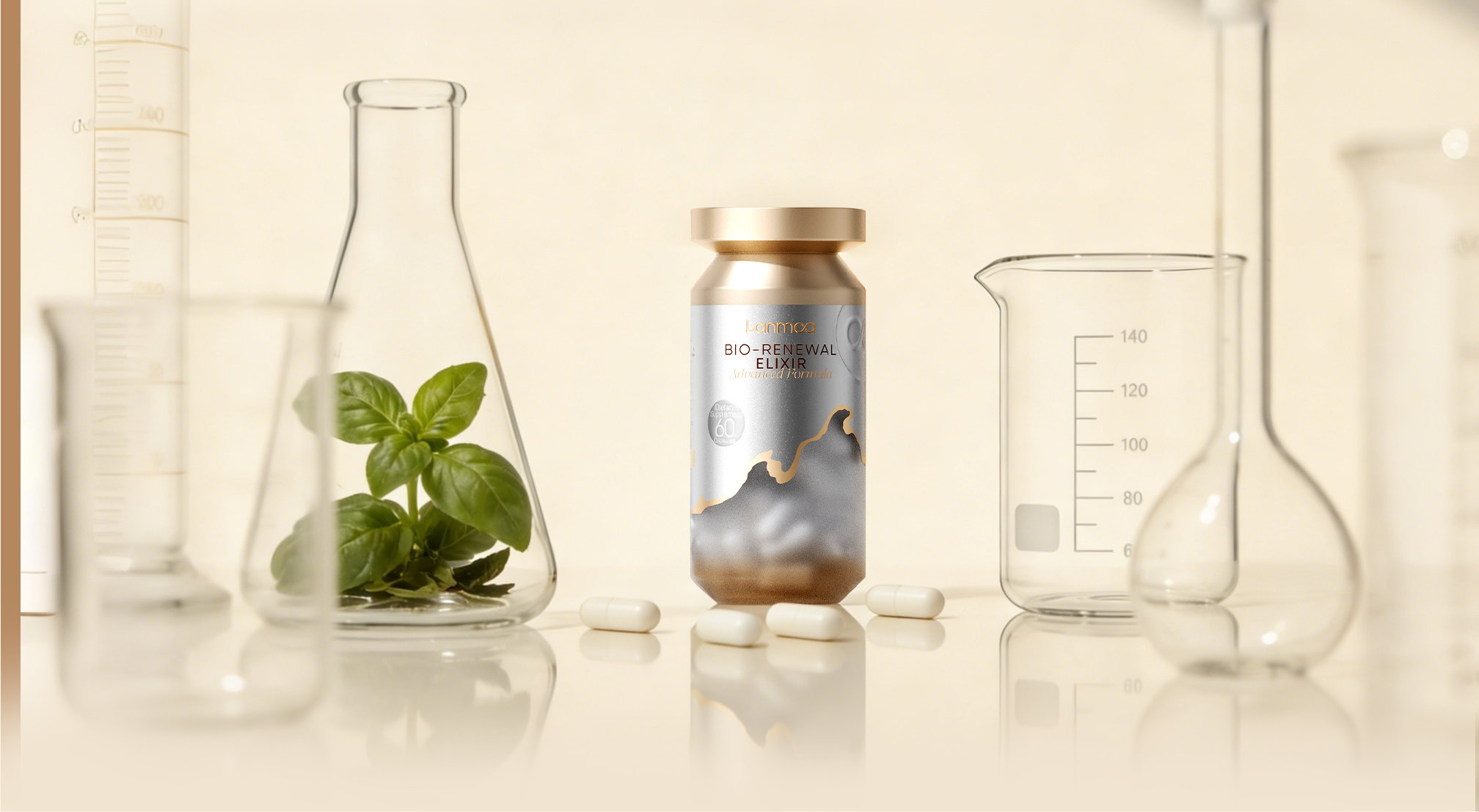
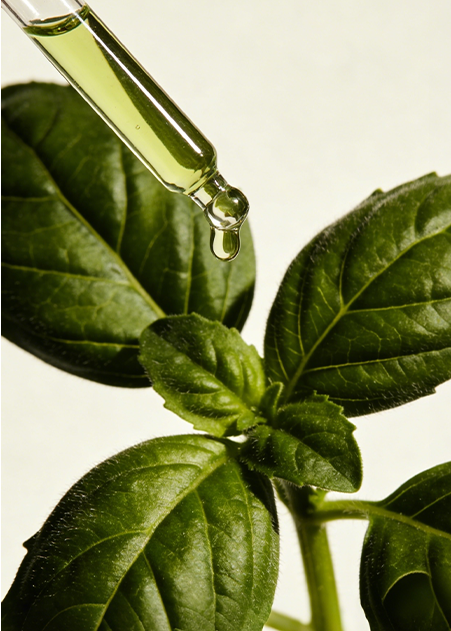
A rare and highly active compound was successfully extracted from Canadian-grown basil, forming the core of the Biomac-S technolovgy.
It addresses the core pain point of "high concentration yet poor absorption". With optimal dosage, it delivers both immediate short-term efficacy and long-term revitalization, enables targeted functional optimization, and builds a comprehensive all-dimensional youthfulness matrix.